
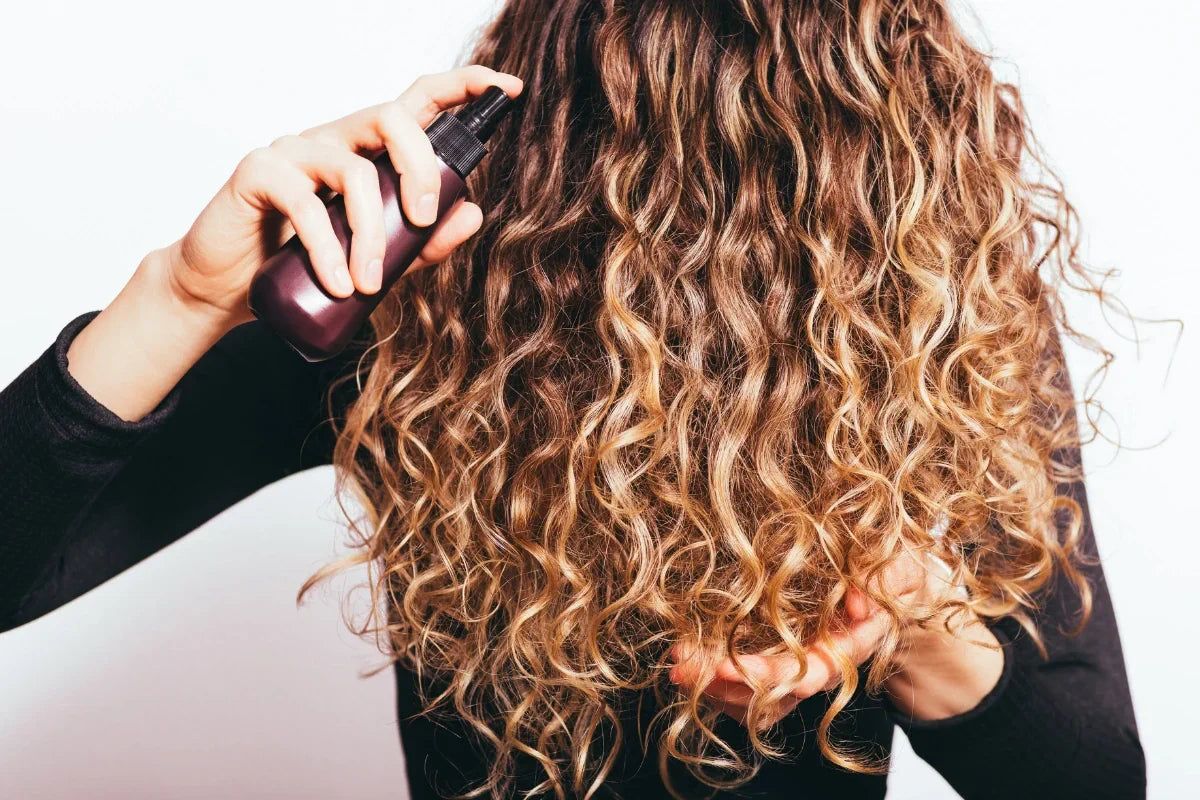
Jojoba Oil for Split Ends and Shine: What It Can Do
Jojoba oil for split ends and shine is a common search for anyone trying to bring dull lengths and worn-out ends back to life. This plant oil has a light, fluid texture and a composition often compared to human sebum, which is why it is so widely used as a finishing oil. Here is why ends get damaged, how jojoba is used on them, and what an oil can and cannot do.
1. Why hair ends get damaged so easily

The natural fragility of the lengths
The ends are the oldest part of the hair. They have been through months, sometimes years, of friction, brushing, heat and sun. All that wear weakens the strand, and the ends end up dull, rough and less soft.
Less sebum at the tips
The sebum produced by the scalp doesn't always make it down to the ends, especially on long, wavy or curly hair. Without that natural coating, the ends dry out over time, split and become brittle.
Everyday stress
Heat styling, coloring, UV and rubbing against clothes all speed up wear on the hair. Without some care, ends lose their shine and become harder to style. A light oil is a simple way to add a protective layer.
2. Why jojoba oil is used for shine and split ends

A composition often compared to sebum
Jojoba oil is often described as structurally similar to human sebum. That is why many people find it spreads easily on the lengths and leaves a soft, non-greasy finish.
A smoother-feeling surface
Jojoba contains waxes (cerides) that leave a light film on the hair. That film makes the ends feel smoother and more supple, and it makes frayed ends look tidier.
A light barrier against friction
Like other oils, jojoba coats the hair with a thin layer, which helps the ends glide rather than catch when you brush, sleep or wear a scarf.
3. What you can see on the ends

A natural shine
Oil smooths the surface of the hair so it reflects light better. The ends look shinier and healthier, without a greasy or sticky feel when used sparingly.
Split ends look less frayed
No oil can "glue" a split end back together. What an oil can do is make damaged ends look smoother and less frizzy. The only way to get rid of split ends is a trim.
Softer to the touch
Oiled ends feel softer right away and are easier to detangle, which means less pulling and snagging.
Our Ouany products
Available at our points of sale in St Barts and at our partner hotels, spas and villas.



4. How to use jojoba oil on your ends

As a daily touch on the ends
Warm a drop of oil between your fingers and smooth it over the ends. This works on all hair types, even fine hair, and keeps the ends feeling soft through the day.
As a targeted pre-wash treatment
Apply the oil more generously to the ends before shampooing and leave it on for twenty to thirty minutes. Your shampoo removes the excess.
As a finish after styling
A small amount applied after blow-drying gives a glossy, silky finish and helps seal in moisture.
5. How to choose a good jojoba oil

Pure and cold-pressed
Look for a pure, unrefined, cold-pressed oil; this extraction method preserves more of its natural components. The color should be golden yellow and the texture fluid. Ouany offers a pure, cold-pressed jojoba oil in a 30 ml bottle, available in our stores in St Barts and at partner hotels, spas and villas.
A light texture
Jojoba should spread quickly without leaving a greasy film. A heavy oil can weigh the ends down and dull their shine.
A mild, natural scent
Quality jojoba oil has a very discreet smell. A strong scent can be a sign that it is refined or blended.
6. Popular blends

Jojoba + argan for extra shine
A common pairing for dull or dry ends, used for its glossy finish.
Jojoba + castor oil for thick hair
Castor oil is very thick; blending it with jojoba makes it easier to spread on fragile ends.
Jojoba + coconut for very dry ends
A richer mix often used on very dry lengths. Use a small amount so it doesn't feel heavy.
7. Mistakes that dull your shine
Using too much oil
Too much weighs the ends down and makes them look greasy rather than shiny. A small amount is enough.
Applying it to very dry hair without moisture
Oil seals in moisture but doesn't add water. Without a damp base or moisturizing product, the result is limited.
Choosing a refined oil
Refined oils lose part of their natural components during processing.
8. FAQ
Does jojoba oil really repair split ends?
No. It can make ends look smoother and feel softer, but it can't mend a split end. A trim is the only fix.
Can I use jojoba every day?
Yes, a small amount on the ends is enough to keep them soft and shiny.
Is it suitable for fine hair?
Yes, as long as you use very little; its light texture is less likely to weigh fine hair down.
Should I rinse the oil out?
Yes for a pre-wash treatment, no when used as a finishing touch.
Does jojoba protect against heat?
It is not a heat protectant. If you use hot tools, use a dedicated heat-protection product.
Read next
Read more
Curly and coily hair tends to run dry, and jojoba is one of the lightest plant oils for sealing in moisture. Here is what textured hair really needs, how to use jojoba in a curl routine, and which ...

A homemade jojoba oil hair mask takes a few minutes and a few kitchen staples. Here are three easy recipes, how to apply them and how often to use them for your hair type.