

Shampoo vs Conditioner: Differences and How to Use Them
Many people use shampoo and conditioner without really knowing what each one does. Yet these two hair care products have very different, complementary jobs: shampoo cleans, conditioner conditions. Behind that simple definition, there are a few nuances worth knowing: how each product is formulated, how it works on the hair, the most common mistakes, and how to pick the right one for your hair type.
Here's a clear guide to the difference between shampoo and conditioner, how to use them properly and how to choose products that suit your hair.
Why are shampoo and conditioner different?

Shampoo is a cleansing product. Conditioner is a conditioning product. They have neither the same formula nor the same purpose.
What shampoo does
Shampoo is used to:
remove excess sebum
wash away impurities
clean the scalp
prepare the hair for the next step
It contains surfactants, foaming agents and sometimes specific ingredients (for dandruff-prone, oily, dry or sensitive scalps, among others).
What conditioner does
Conditioner is used to:
detangle
smooth the hair fiber
limit frizz
add softness and shine
coat the lengths
It contains conditioning agents, oils, butters, proteins, silicones or natural alternatives.
How does shampoo work?

Shampoo works mainly on the scalp. Surfactants attach to dirt and oil, which are then washed away when you rinse.
Types of shampoo
Gentle shampoo
Clarifying shampoo
Moisturizing shampoo
Nourishing shampoo
Anti-dandruff shampoo
Shampoo for color-treated hair
Each type is designed for a specific need.
Common shampoo mistakes
Using too much
Applying it to the lengths (unnecessary and drying)
Not massaging the scalp
Using a shampoo that's too harsh
Washing your hair too often
How does conditioner work?

Conditioner works on the lengths and ends. It leaves a thin coating that makes detangling easier and improves how the hair feels.
Types of conditioner
Moisturizing conditioner
Nourishing conditioner
Conditioner for damaged hair
Smoothing conditioner
Conditioner for curly hair
Silicone-free conditioner
Common conditioner mistakes
Applying it to the scalp (it can weigh hair down)
Not leaving it on long enough
Using too much
Using a conditioner that doesn't suit your hair type
Shampoo vs conditioner at a glance
| Criteria | Shampoo | Conditioner |
|---|---|---|
| Role | Cleanse | Condition |
| Where it goes | Scalp | Lengths |
| Texture | Fluid, foaming | Cream, lotion, mask |
| Immediate feel | Fresh, clean | Soft, detangled |
| When to use it | First step | After shampoo |
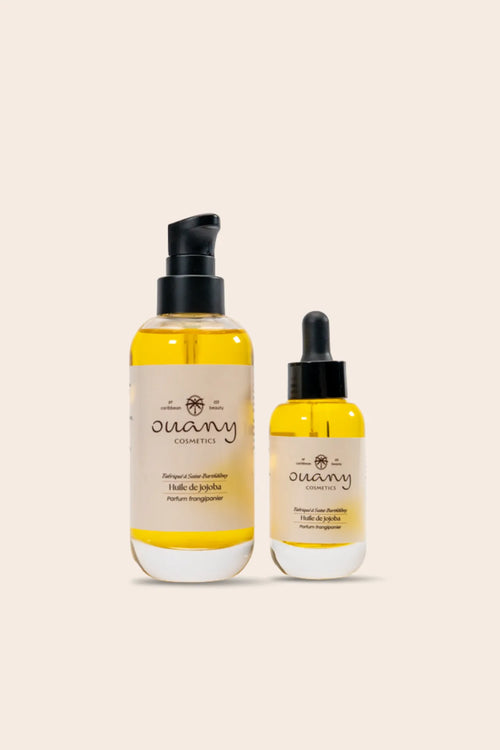
Our Ouany products
Available at our points of sale in St Barts and at our partner hotels, spas and villas.


Why do you need both?

Shampoo alone cleans but can leave hair dry or tangled. Conditioner alone can't clean. The two products work together.
What you get from using both
Clean hair
Coated lengths
Easier detangling, with less pulling
Less frizz
More shine
A balanced routine
Which shampoo for your hair type?
Dry hair
A gentle or nourishing shampoo.
Oily hair
A clarifying or balancing shampoo.
Curly hair
A moisturizing, sulfate-free shampoo.
Color-treated hair
A shampoo designed for colored hair.
Sensitive scalp
A gentle shampoo, fragrance-free or sulfate-free. If itching, redness or flaking persists, see a dermatologist.
Which conditioner for your hair type?
Dry hair
A rich, nourishing conditioner.
Fine hair
A lightweight, silicone-free conditioner.
Curly hair
A moisturizing conditioner rich in conditioning agents.
Damaged hair
A conditioner for damaged hair, with plant proteins.
Oily hair
A lightweight conditioner on the ends only.
How to use shampoo and conditioner
Step 1: wet your hair thoroughly
Water prepares the hair and helps the shampoo lather.
Step 2: apply shampoo to the scalp
Not to the lengths.
Step 3: massage gently
Use your fingertips, not your nails.
Step 4: rinse thoroughly
A good rinse avoids leftover residue.
Step 5: apply conditioner to the lengths
Never to the scalp.
Step 6: leave it on
Follow the time indicated on the label.
Step 7: rinse with lukewarm water
Make sure no product is left in your hair.
FAQ
Should you use conditioner every time you wash your hair? Yes, especially if your hair is dry or curly.
Does conditioner make hair greasy? Not if you apply it only to the lengths.
Can a hair mask replace conditioner? A mask is richer, but it doesn't always replace conditioner.
Does shampoo need to lather to work? No, lather isn't a sign of how well it cleans.
Should people with fine hair skip conditioner? No, but they should choose a lightweight formula.
The bottom line
Shampoo and conditioner have completely different but complementary roles. The first cleans, the second conditions. Choosing and using them well gives you hair that feels softer and is easier to style. A balanced routine is the key to a comfortable scalp and well-kept lengths.
Read next
- Conditioner for Thick Hair: How to Choose the Right One
- Conditioner for Fine Hair: Volume Without Weight
- Conditioner for Sensitive, Irritated Scalp: What to Look For
- Conditioner for Color-Treated Hair: Protect Your Color
- Conditioner for Curly Hair: Moisture and Definition
- Conditioner for Dry Hair: How to Choose the Right One
Read more

Regular and organic aloe vera gels differ in how the plant is grown, how much aloe they contain and what gets added to the formula. Here's how they compare on composition, texture and tolerance, an...

Organic and non-organic jojoba oils differ in how the plant is grown, how the oil is extracted and whether anything is added. Here's how they compare on processing, texture and tolerance, and what ...