

Conditioner for Color-Treated Hair: Protect Your Color
A conditioner for color-treated hair is about protecting your color and keeping it vibrant. Colored hair is more vulnerable to environmental stress, dehydration and oxidation, all of which can dull shine and make pigments fade faster. The right formula combines protective ingredients, humectants and a texture that smooths the hair while helping preserve the color. Choosing one comes down to a few criteria: color protection, moisture, softness and support for the hair fiber. A consistent routine helps your color stay rich for longer and keeps hair shiny.
Understanding what color-treated hair needs

Color-treated hair is more sensitive because of the chemical processes involved. The hair can become more porous, which makes it easier for pigments to wash out and for moisture to escape. A conditioner for colored hair should therefore help protect the color, support the hair fiber and provide lasting moisture. A targeted approach keeps hair shiny and soft.
What a conditioner does for color-treated hair
For colored hair, a conditioner helps protect the color and reinforce the hair surface. It keeps hair shiny and soft, and the right ingredients smooth the cuticle, which helps pigments stay vivid for longer.
Moisture for color-treated hair
Color-treated hair needs lasting moisture to stay flexible. Humectants such as aloe vera or glycerin help hold water in the hair, leaving it softer and less dry.
Protecting the pigments
Protecting pigments is key to keeping color vibrant. Protective ingredients such as antioxidants help preserve the color, limiting fading and keeping hair shiny.
Reinforcing the hair fiber
Coloring can leave hair more fragile. Ingredients such as plant proteins help reinforce the hair surface, which can limit breakage and improve texture.
Key ingredients in a conditioner for color-treated hair

The ingredients in a conditioner for colored hair are chosen for their ability to protect color, moisturize and reinforce the hair. Protective ingredients are the ones to look for on the label.
Antioxidants
Antioxidants such as vitamin E or fruit extracts are used to protect pigments. They help limit oxidation so color stays intense for longer, which is why they are a staple for color-treated hair.
Humectants
Aloe vera and glycerin help hold water in the hair. They improve softness, reduce the feeling of dryness and support suppleness and shine.
Plant proteins
Plant proteins help reinforce the hair surface and make it more resistant. They smooth damaged areas and help limit breakage, for a better texture and a softer feel.
Protective textures
Protective textures coat the hair. They apply easily, rinse quickly and leave hair softer and shinier.
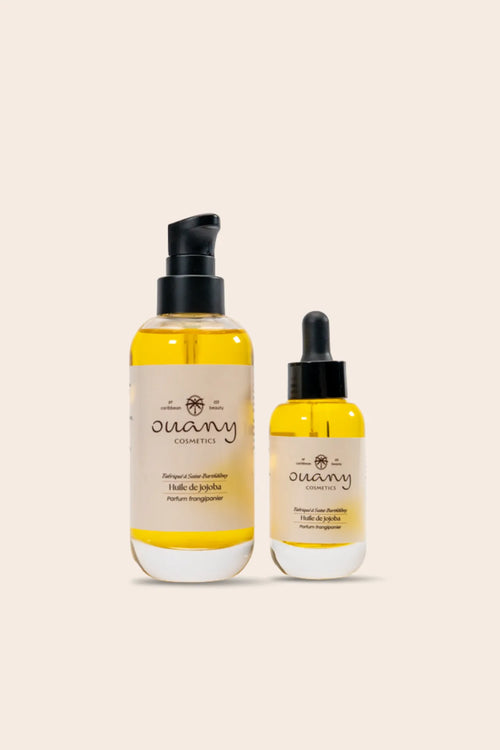
Our Ouany products
Available at our points of sale in St Barts and at our partner hotels, spas and villas.


How to choose a conditioner for color-treated hair

Picking the right conditioner for colored hair comes down to four criteria: color protection, moisture, repair-focused ingredients and the right texture. A well-balanced formula helps keep your color bright.
Protection
Protection is what keeps color intense. Formulas designed for colored hair use antioxidants and protective ingredients to help maintain shine.
Moisture
Moisture is essential for color-treated hair. Humectants help hold water in the hair, for a softer feel and less dryness.
Repair
Repair-focused ingredients such as plant proteins help make the hair more resistant and less prone to breakage, so texture feels smoother.
Texture
A protective texture coats the hair evenly, adding softness and shine while supporting color protection.
Adding conditioner to a color-treated hair routine

A conditioner for colored hair works best as part of a consistent routine focused on color protection, moisture and a stronger hair fiber. Regular use helps color stay vibrant.
Use it every wash
Conditioning after every shampoo keeps the protective care going, for softer, shinier hair.
Pair it with protective treatments
Masks and leave-in products designed for colored hair complement your conditioner, improving texture and helping color last.
Adjust to your color
Needs vary depending on how bright or how processed your color is. Bold shades and lightened hair often call for extra protection and moisture.
Prevent fading
A consistent routine helps limit fading. Rinsing with lukewarm rather than hot water and protecting hair from strong sun also help keep color intense.
FAQ
Which ingredients should I look for in a conditioner for color-treated hair?
Antioxidants such as vitamin E, humectants such as aloe vera and plant proteins are good options. They help protect color, reinforce the hair and add shine, while protective textures coat every strand.
Can a conditioner make hair color last longer?
A suitable conditioner with antioxidants can help colors stay vibrant and limit fading. Combined with a consistent routine, it helps maintain color intensity.
Why does color-treated hair need protection?
Colored hair is more sensitive to oxidation. Protective care helps preserve pigments and keep hair shiny, and antioxidants help make it more resistant.
Are protective textures a good fit for color-treated hair?
Yes. Protective textures coat the hair evenly, add softness and shine and support color protection.
How do I add conditioner to a routine for color-treated hair?
Use it after every shampoo to keep protecting your color, and add a mask or leave-in treatment for colored hair when you want an extra boost of shine.
Read next
- Conditioner for Thick Hair: How to Choose the Right One
- Conditioner for Fine Hair: Volume Without Weight
- Conditioner for Sensitive, Irritated Scalp: What to Look For
- Conditioner for Curly Hair: Moisture and Definition
- Conditioner for Dry Hair: How to Choose the Right One
- Conditioner for Oily Hair: How to Choose a Light Formula
Read more

Curls need moisture and help holding their shape. Here are the humectants, plant oils and defining agents to look for in a conditioner for curly hair, and how to use it to keep frizz down.
A sensitive, irritated scalp calls for gentle care. Here's what to look for in a conditioner: mild bases, comforting ingredients, no strong fragrance, and when to see a dermatologist.