
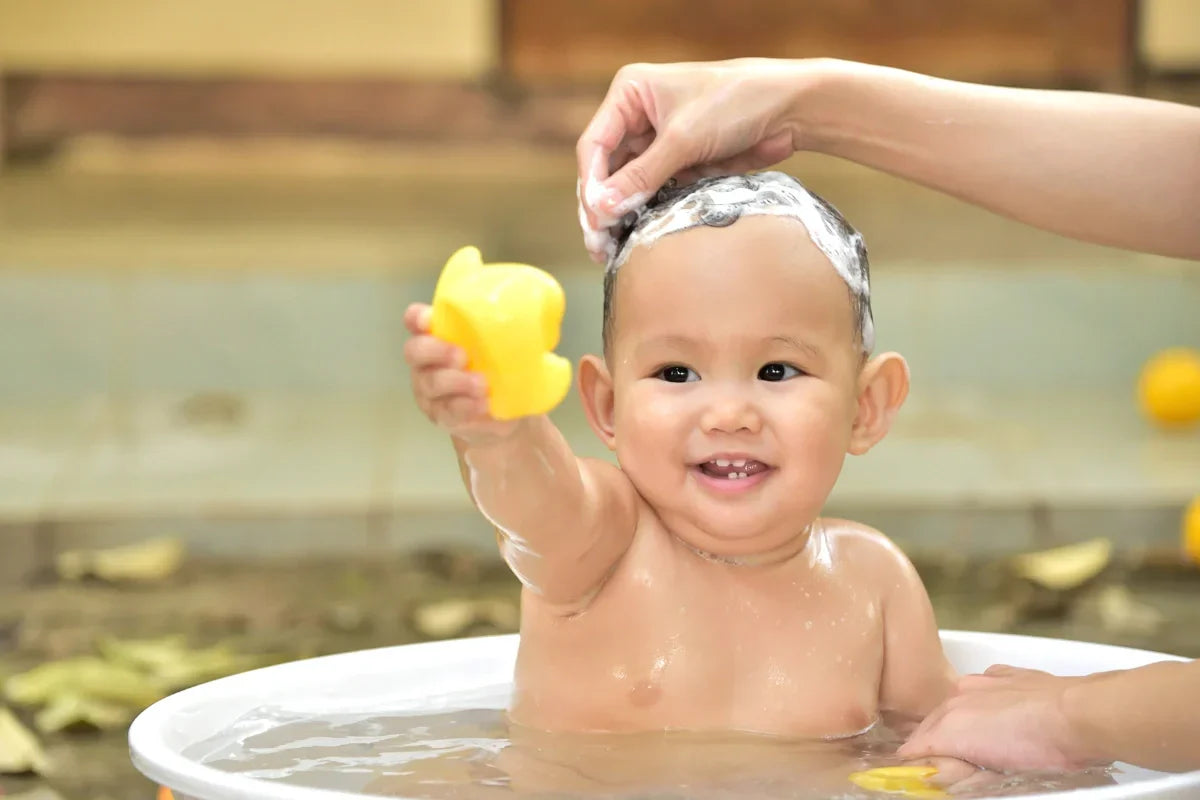
Baby Conditioner: Safety Tips and What to Look For
Baby conditioner is a frequent topic in 2026, as parents look for gentle, safe products suited to their little one's delicate skin. Baby hair is fine, fragile and prone to irritation. Manufacturers have responded with lighter, more natural formulas tested under dermatological supervision. This guide covers the key criteria for choosing a suitable product, the types of formulas available and what specialists recommend. For any question about your baby's skin or scalp, a pediatrician or dermatologist remains the best person to ask.
1. What makes baby hair different

Baby hair is not like adult hair. The fiber is finer, the scalp more sensitive and sebum production very low. Products should therefore be:
-
very gentle
-
easy to rinse
-
free from harsh agents
-
suitable for frequent use
Specialists explain that baby hair doesn't need intense conditioning, just a light product that makes detangling easier.
2. Why use a conditioner on a baby?

Even though baby hair is usually short, a conditioner can be useful in a few situations:
-
curly or coily hair that tangles easily
-
hair that grows long in the first months
-
a sensitive scalp that calls for a gentle formula
-
rinsing after the pool
Parents appreciate light textures that make combing easier without leaving residue.
3. Key criteria for choosing a baby conditioner

3.1. A gentle formula
Baby products should avoid:
-
harsh sulfates
-
heavy silicones
-
strong fragrances
-
dyes
-
irritating preservatives
Manufacturers favor simple ingredients: light humectants, mild plant extracts and gentle cleansing bases.
3.2. Light fragrance or none at all
Strong fragrances can irritate the scalp. Baby products often use:
-
very soft scents
-
light natural fragrances
-
or no fragrance at all
Many parents choose fragrance-free formulas to limit the risk of reactions.
3.3. A texture that rinses easily
Fluid textures suit fine hair best. They rinse quickly and don't leave a greasy film.
3.4. Strict dermatological testing
Baby products should be tested:
-
under pediatric supervision
-
under dermatological supervision
-
on sensitive skin
Manufacturers highlight these tests on the label to reassure parents.
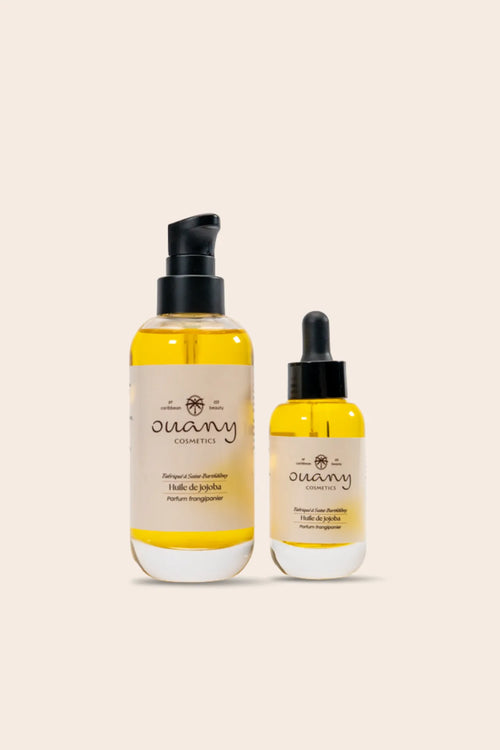
Our Ouany products
Available at our points of sale in St Barts and at our partner hotels, spas and villas.


4. The main types of baby conditioner

4.1. Gentle detangling conditioners
These products are designed to make combing fine or slightly curly hair easier. They contain light conditioning agents and mild plant extracts.
4.2. Light moisturizing conditioners
These formulas use simple ingredients such as aloe vera or natural humectants. They are designed for dry hair or hair exposed to the sun.
4.3. Fragrance-free conditioners
These are intended for babies with a sensitive scalp. If your baby has eczema, redness or irritation, ask a pediatrician or dermatologist before using any new product.
4.4. Natural or organic conditioners
Natural formulas use mild plant extracts, light oils and clean bases. They appeal to parents who want a more transparent ingredient list.
5. Baby conditioner comparison table
| Type | Texture | Gentle ingredients | Main appeal | Best for |
|---|---|---|---|---|
| Gentle detangling | Fluid | Light conditioning agents | Easy combing | Curly or long hair |
| Light moisturizing | Fluid | Aloe vera, humectants | Suppleness | Dry hair |
| Fragrance-free | Fluid | Mild extracts | Minimal formula | Sensitive skin |
| Natural / organic | Fluid or cream | Plant extracts | Clean ingredient list | Ingredient-conscious parents |
6. What parents say most often
Parent feedback tends to highlight several points:
-
easier detangling, especially on curly hair
-
gentle formulas that suit sensitive skin
-
light textures that rinse easily
-
very soft scents, appreciated for their subtlety
-
a more pleasant routine, since combing goes faster
Parents often say that gentle products make brushing time calmer.
7. How to apply conditioner on a baby
For best use:
-
apply a small amount to towel-dried hair
-
spread it only through the lengths
-
avoid the roots so hair isn't weighed down
-
leave it on for a few seconds
-
rinse thoroughly
Specialists advise against using conditioner at every wash unless the hair is very curly.
8. Precautions and recommendations
To keep things safe:
-
choose dermatologically tested products
-
avoid strong fragrances
-
check the ingredient list
-
do a patch test on a small area if in doubt
-
see a pediatrician if there is any reaction
Baby hair care should stay simple, gentle and suited to delicate skin. When in doubt, ask your pediatrician or a dermatologist.
Read next
- Conditioner for Thick Hair: How to Choose the Right One
- Conditioner for Fine Hair: Volume Without Weight
- Conditioner for Sensitive, Irritated Scalp: What to Look For
- Conditioner for Color-Treated Hair: Protect Your Color
- Conditioner for Curly Hair: Moisture and Definition
- Conditioner for Dry Hair: How to Choose the Right One
Read more
Luxury conditioners in 2026 focus on premium ingredients, refined textures and sophisticated scents. Here is what really sets a high-end formula apart and how to pick one for your hair type.

Morning or evening shower? Each has different upsides. A morning shower freshens you up and removes overnight oil, while an evening one washes away the day and helps you wind down. The right choice...