

Karanja Oil for Skin: Origin, Uses and Precautions
Karanja oil is attracting growing interest in plant-based skincare. Pressed from the seeds of a tree native to Asia, this golden oil has a long history of traditional use and is increasingly found in natural beauty routines. If you are curious about adding it to your routine, this guide covers where it comes from, what it contains, how people use it, and the precautions worth knowing before you start.
The origin and composition of karanja oil
Botanical traditions in Asia have valued this hardy tree for centuries, as it grows in tough climates. Its oil is a plant oil like many others, with its own fatty acid profile.
The botanical origin of karanja oil
Karanja oil comes from the seeds of Pongamia pinnata, also known as the pongamia tree. Local populations have used it for generations as part of their traditional skin and body care in hot, sunny and windy climates.
Fatty acids in karanja oil
Like many plant oils, karanja oil contains fatty acids, including oleic and linoleic acid. These are the same families of lipids found in many oils used in skincare, and they give the oil its texture and feel on the skin.
Other compounds
Karanja oil also contains compounds specific to the pongamia tree. Interest in these molecules is one of the reasons the oil is getting attention in natural skincare. As with any plant oil, its composition can vary depending on the source and processing.
Choosing a pure, cold-pressed oil
Choosing a virgin, cold-pressed oil helps preserve the oil's natural components. A pure karanja oil should contain nothing but the oil itself, so check the ingredient list.
Why karanja oil interests skincare fans
Karanja oil is often presented as an alternative to more familiar plant oils. People who like it usually mention its rich texture, its traditional use and the fact that it is a single, simple ingredient. As with every natural oil, how it feels and how well it suits you depends on your skin type.
Karanja oil and mature skin
Some people with mature or dry skin like to include a plant oil in their routine for comfort and a soft feel. Karanja oil can be one option among others, ideally tested first on a small area.
A rich texture for facial massage
Its texture gives good glide for facial massage, which many people enjoy as a moment of relaxation in their routine.
Karanja oil and uneven tone
No plant oil replaces sun protection when it comes to preventing dark spots. If you have pigmentation concerns, a dermatologist can recommend a suitable approach.
City life and daily routines
Many city dwellers look for a simple, minimal routine. A single plant oil used sparingly can fit into that approach, alongside gentle cleansing and sunscreen.
Nos soins Ouany
Disponibles dans nos points de vente à Saint-Barthélemy et chez nos hôtels, spas et villas partenaires.

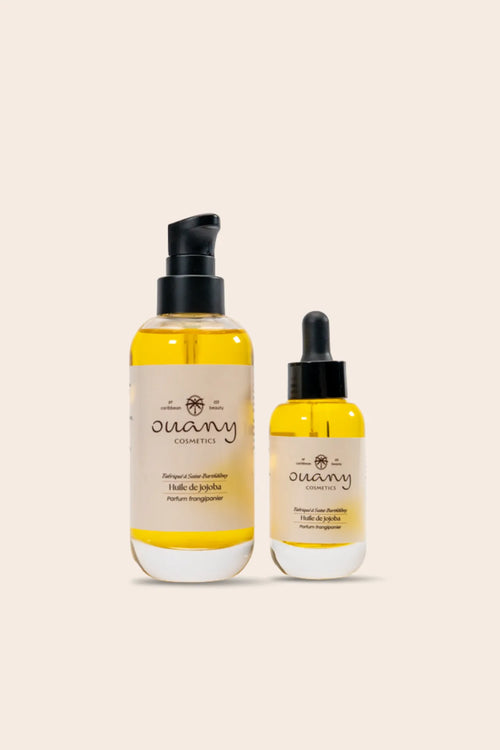

Karanja oil for sensitive and dry skin
People with sensitive or dry skin often look for simple formulas with few ingredients. A pure plant oil can be appealing for that reason, but even natural ingredients can cause reactions.
Sensitive and reactive skin
If your skin reacts easily, always do a patch test before using karanja oil on your face. If you have a skin condition such as eczema or rosacea, ask a dermatologist before trying a new oil.
The skin barrier
The skin's hydrolipidic film acts as a barrier against external stress. Many people use plant oils as the last step of their routine to finish it off with a comforting layer.
Dry skin
Very dry skin can feel tight and flaky. Some people like to apply a few drops of plant oil in the evening for a more comfortable feel the next morning. Adjust the amount so the oil doesn't leave your skin greasy.
Mature skin
With age, skin often produces less oil and can feel drier. A plant oil applied sparingly can be part of a comforting routine. If you notice any discomfort, stop using it.
How to add karanja oil to your daily routine
Using plant oils well takes a few simple tips so you don't overload the skin. Karanja oil can fit into an evening or morning routine depending on your preferences.
An evening ritual
Many people prefer to apply plant oils in the evening. You can use karanja oil on its own or mix a drop into your usual cream. Massage gently from the center of the face outward.
Facial massage with karanja oil
Karanja oil offers good glide for facial massage. Use light pressure along the jawline and cheekbones and take your time. Think of it as a relaxing moment rather than a treatment.
Layering with serums
Plant oils are usually applied as the last step, after water-based serums. Apply a hyaluronic acid serum to slightly damp skin, then warm a few drops of oil between your palms and press them gently onto your face.
Mistakes to avoid
Don't use too much: a few drops are enough for the whole face, and excess oil can clog pores. Always adjust the amount to your skin type.
Precautions and choosing a quality karanja oil
Using karanja oil safely starts with choosing good raw materials and following a few simple rules.
Choose a pure oil
The quality of a plant oil depends on how it is made. Look for an organic, cold-pressed karanja oil and check the label carefully: it should list no synthetic additives.
Do a patch test
Even the most natural ingredients can cause allergic reactions in sensitive people. Before applying karanja oil to your whole face, put a single drop in the crook of your elbow or behind your ear and leave it without rinsing. Watch for redness or itching over the following days. If there is no reaction, you can try it more widely. If you have a history of allergies, ask a doctor or pharmacist first.
How to store karanja oil
Pure plant oils don't like heat or direct sunlight. Keep your bottle in a cool, dark place with the cap tightly closed to slow oxidation.
Karanja oil and sun exposure
Karanja oil is not a sunscreen. Always apply a dedicated sun protection product before spending time in the sun. This habit is also the best way to prevent dark spots.
FAQ
What is karanja oil used for in skincare?
Karanja oil is a plant oil pressed from the seeds of the pongamia tree. It has a long history of traditional use in Asia and is used today in natural skincare routines, often as a last step or for facial massage. It contains fatty acids such as oleic and linoleic acid, along with compounds specific to the pongamia tree. How well it suits you depends on your skin type, so start with a patch test.
Can you use karanja oil every day?
You can include it in a daily routine as long as you adjust the amount to your skin. A few drops are generally enough for the face and neck. Many people prefer applying it in the evening. Watch how your skin responds and adjust how often you use it.
Is karanja oil suitable for acne-prone skin?
Karanja oil has a rich texture, and reactions vary from person to person. If you have acne, especially inflammatory acne, talk to a dermatologist before adding a plant oil to your routine. If you do try it, start with a patch test and a very small amount.
How should you store karanja oil?
Store it away from direct light and heat. A tinted glass bottle with a dropper limits contact with air. Close the cap carefully after each use and keep the bottle in a cool cupboard. Good storage helps protect the oil's fatty acids from oxidation.
Can you mix karanja oil with other creams?
Yes, many people mix a drop or two of plant oil into their usual moisturizer or serum. Put a small amount of cream in your palm, add the oil, blend with your fingertips and apply to your face. It is an easy way to give a light formula a richer feel in winter.
En lire plus

Under-eye bags can make you look tired the moment you wake up. Learn what causes them, how to tell fluid-related puffiness from fat-related bags, and which home remedies, habits and gentle massages...

Is coconut oil a good idea for intimate areas? Learn about the real risks for vaginal pH, the intimate flora and latex condoms, and the precautions to keep in mind. For any intimate symptom, a heal...