

Coconut Oil on Intimate Areas: Risks and Safe Use
Using coconut oil on intimate areas has become popular, largely because of its natural image and its reputation as a moisturizing oil. Yet applying an oil to such sensitive areas calls for real caution. Irritation, disruption of the vaginal pH and the well-known incompatibility of oils with latex condoms are all reasons to think twice. This guide explains the main risks and the precautions to keep in mind. It is general information, not medical advice: for any intimate discomfort, dryness or symptom, the right person to talk to is a gynecologist, a doctor or a midwife.
Understanding how delicate the intimate area is
The vaginal environment has its own bacterial balance and a naturally acidic pH that help protect it. Introducing outside fats can disturb this delicate ecosystem. Knowing this helps you make informed choices.
How coconut oil may affect vaginal pH
Vaginal pH plays an important role in natural protection against bacterial and fungal infections. Applying coconut oil inside the vagina can disturb this protective acidity, and mucous membranes are sensitive to any change in their microbial balance.
Infection risks
Oils on mucous membranes can trap moisture and create an environment where unwanted microbes grow more easily. Yeast infections in particular may find favorable conditions. Natural remedies are often idealized, so caution is in order. If you have any doubt or symptom, see a health professional.
Coconut oil and latex condoms
This is a major and often overlooked risk: oils weaken latex. Using coconut oil with latex condoms can damage the condom and increase the risk of it breaking, which compromises protection against pregnancy and sexually transmitted infections. If you use latex condoms, choose a water-based lubricant labeled as compatible with them.
Why coconut oil can cause irritation
The thin skin and mucous membranes of the intimate area can react to some components, especially if the product's quality is poor. Redness and burning can appear quickly in case of intolerance. If that happens, stop using it and seek advice.
External use: what to know
Some people use coconut oil only on the external skin of the vulva and the bikini area. This external skin is different from the internal mucous membranes, but it remains sensitive, and caution still applies.
External skin only
If you choose to use coconut oil, limit it strictly to the external skin and never apply it inside the vagina. Test it first on a small patch of skin, and stop at the first sign of discomfort.
After shaving or waxing
Hair removal in the bikini area can leave the skin sensitive, with redness or ingrown hairs. Some people like to apply a little plant oil to the external skin afterward for a more comfortable feel. Avoid broken or irritated skin, and if redness, bumps or pain persist, see a doctor.
Chafing
Sports and tight clothing can cause chafing on the inner thighs and bikini line. A light layer of oil on the external skin can reduce friction for some people. Clean the area gently after exercise to remove trapped sweat. If chafing turns into painful or broken skin, ask a health professional for advice.
Why coconut oil still appeals to so many people
Its natural image, melting texture and pleasant scent attract many fans of DIY beauty. But a natural image should never outweigh safety. Stay cautious and keep the difference between external skin and mucous membranes in mind.
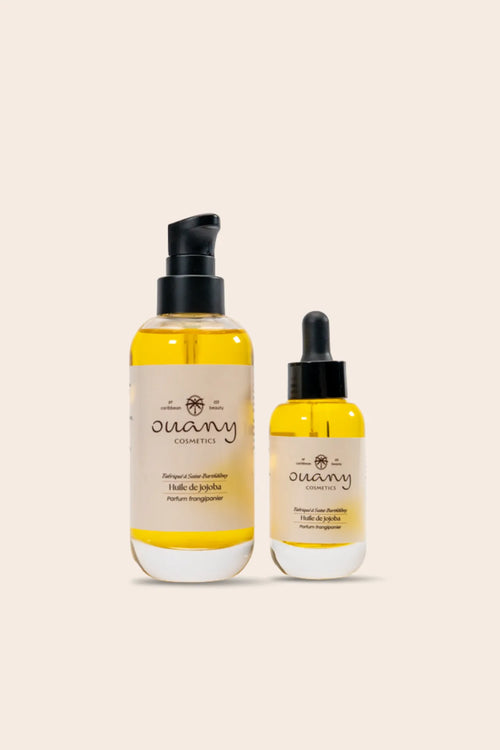
Nos soins Ouany
Disponibles dans nos points de vente à Saint-Barthélemy et chez nos hôtels, spas et villas partenaires.


Safer options for intimate hygiene
Products specifically formulated for the intimate area are designed with its balance in mind. Many are developed and tested for this use. Comparing these options with coconut oil helps you make the best choice for your health.
Intimate washes
Gentle intimate washes are formulated with a pH suited to the intimate area. Coconut oil is not designed for this purpose. For daily hygiene, plain water or a mild, soap-free wash used externally is generally enough.
Products made for intimate dryness
Pharmacies offer moisturizers specifically designed for intimate dryness. A pharmacist, doctor or midwife can help you choose one that suits your situation.
See a professional first
For chronic dryness or persistent intimate discomfort, self-treating with coconut oil has clear limits. A gynecologist or doctor is the right person to make a proper diagnosis, since symptoms can point to an underlying condition that needs appropriate treatment. Applying oils without medical advice may make things worse or mask symptoms. Book an appointment as soon as you notice unexplained pain, burning, itching or unusual discharge, and be wary of approximate advice found on social media.
Keep intimate hygiene simple
Cleansing the intimate area calls for simplicity and gentleness. Plain water or a mild, soap-free cleanser used externally is usually enough. Coconut oil is not meant to replace a suitable hygiene product.
Myths about natural lubricants
Natural lubricants are booming, driven by the trend toward natural and organic products. Yet using coconut oil as a sexual lubricant has major drawbacks that are often ignored.
Why coconut oil is not an ideal lubricant
Coconut oil is greasy and can trap bacteria and moisture. It is also incompatible with latex condoms. Water-based alternatives are designed for this use and are compatible with condoms. Don't confuse external skincare with sexual lubrication.
The advantages of water-based lubricants
Water-based lubricants are generally compatible with latex and polyurethane condoms. Safety during sex should always come before beauty trends. Choose products that clearly state their condom compatibility.
Coconut oil and the vaginal flora
The vaginal flora is dominated by beneficial bacteria (lactobacilli, sometimes called Döderlein's flora) that help protect the vagina. Introducing oils can disturb this balance, and an imbalance can contribute to infections such as bacterial vaginosis. Your choice of products for intimate areas deserves care; check with reliable medical sources or a health professional before trying homemade recipes.
Why caution matters
DIY recipes on sensitive areas carry underestimated risks. Your body is not a testing ground for improvised beauty experiments. Respect the delicate nature of mucous membranes.
Bottom line and recommendations
If some people tolerate occasional external use, caution remains essential, especially on mucous membranes. Listening to health professionals is the best way to protect your well-being over time.
Should you avoid coconut oil completely?
If you use it at all, keep it strictly to the external skin. Applying it inside the vagina is not recommended. The difference between external and internal use matters for your safety.
Precautions if you use it externally
Use it only on the external skin. Choose a pure, cold-pressed oil. Test it on your forearm before any application to rule out an allergy. Stop immediately if you notice redness or discomfort, and see a health professional if it doesn't settle.
Other options
Rather than experimenting with plant oils or extracts on intimate areas, ask a pharmacist, doctor or midwife which products are suitable for your needs. Each part of the body has its own needs, and a product that works elsewhere is not necessarily suitable for intimate areas.
Why medical advice comes first
Advice from a doctor or midwife is worth more than anything you read online. Feel free to raise the question of coconut oil at your next gynecology appointment. Your health deserves personalized professional guidance.
FAQ
Can coconut oil cause yeast infections?
Applying coconut oil inside the vagina may create conditions that favor yeast infections. An oily film can trap moisture and warmth, an environment in which fungi such as Candida albicans can thrive, and changes to the vaginal pH can weaken local defenses. Avoid internal use, and if you have symptoms, see a doctor or gynecologist.
Is it dangerous to use coconut oil as a lubricant?
It carries two main risks. First, oils weaken latex condoms, which increases the risk of breakage and therefore of sexually transmitted infections or unplanned pregnancy. Second, its texture may disturb the vaginal flora and cause irritation. Choose a water-based lubricant that is compatible with your contraception.
Can you apply coconut oil to the vulva?
Some people use it on the external skin of the vulva, for example after shaving. If you do, choose a pure, cold-pressed oil, test it first on a small area and never apply it inside the vagina. For dryness, discomfort or irritation, ask a health professional for advice rather than self-treating.
What are the signs of a reaction to coconut oil on the intimate area?
A reaction can show up as burning, intense itching, redness or swelling of the vulva. If you notice any of these after applying it, stop using the product immediately, rinse the area with plain water and see a health professional if the discomfort persists. Everyone's skin reacts differently.
What are safer options for intimate dryness?
Intimate dryness can have many causes, so the best first step is to talk to a gynecologist, doctor or midwife. They can recommend products specifically formulated for the intimate area and check whether an underlying cause needs attention. Pharmacies also offer moisturizers designed for intimate dryness.
À lire aussi
En lire plus

Karanja oil, pressed from the seeds of the pongamia tree, is drawing growing interest in natural skincare. Learn where it comes from, what it contains, how to use it in your routine and which preca...

Tea tree oil is not banned in EU cosmetics as of November 2026, but the European Union plans to classify it as toxic to reproduction. The EU scientific committee considers it safe for adults at low...