

Can You Use Body Lotion on Your Face? Why It's Not Ideal
Body lotion is designed for the skin on your body, not for your face. The two areas differ in thickness, sensitivity and needs. Yet many people still use their body lotion on their face out of convenience. Understanding why it is not recommended helps you avoid irritation, breakouts and an unbalanced complexion.
1. Why facial skin is different from body skin

Thinner, more delicate skin
Facial skin is thinner than the skin on your body. It reacts faster to aggressors, temperature changes and ingredients that are too rich or too heavily scented. A body lotion, which is often more occlusive, can upset this delicate balance.
An area more exposed to the elements
Your face is constantly exposed to pollution, sun, wind and changing weather. It needs products formulated with these specific conditions in mind, which a body lotion does not offer.
More sebaceous glands
The face has more sebaceous glands, which makes it more prone to shine, visible pores and breakouts. A body lotion, often richer, can make these concerns worse.
2. Why you shouldn't put body lotion on your face

Formulas that are too rich or occlusive
Body lotions often contain oils, butters or film-forming agents designed for thicker body skin. On the face, these ingredients can clog pores, trigger breakouts or feel too heavy.
Potentially irritating fragrances
Body lotions are often scented for a pleasant sensory experience. On the face, fragrance can cause redness, stinging or allergic reactions.
Preservatives not designed for the face
The preservatives used in body products are not always suited to sensitive facial skin. They can disrupt the skin barrier and cause irritation.
A different pH
Facial skin is slightly more acidic than body skin. A body lotion can throw off that balance, leading to dryness, tightness or excess oil.
A risk of breakouts
Richer textures can encourage blackheads, small bumps or shine. This is one of the main reasons not to apply body lotion to your face.
3. What can happen if you use body lotion on your face

Clogged pores and breakouts
Ingredients that are too rich can block pores and lead to blemishes, especially on oily areas like the forehead, nose and chin.
Redness and irritation
The fragrances, alcohols or preservatives in body lotions can irritate more sensitive facial skin.
Dehydrated skin
A product that is too occlusive can disrupt the skin barrier and leave skin feeling dehydrated, despite an initial feeling of comfort.
Shine and excess oil
Skin sometimes reacts to an overly rich product by producing more sebum, which increases shine.
An unbalanced skin microbiome
The facial microbiome is more fragile. An unsuitable product can upset that balance and make skin more reactive.
Our Ouany products
Available at our points of sale in St Barts and at our partner hotels, spas and villas.



4. Why facial products are formulated differently

Finer, more targeted textures
Facial products are designed to absorb without weighing skin down. They take sensitive areas and variations in oiliness into account.
Ingredients chosen for the face
Face creams contain ingredients selected for facial skin and its specific needs.
Lighter fragrance, or none at all
Facial products favor discreet scents or no fragrance, to limit the risk of irritation.
Specific dermatological testing
Facial products are tested to avoid reactions on a more delicate area. Body lotions are not always tested in the same way.
5. What to do if you've already put body lotion on your face

Cleanse gently
A gentle cleanse removes any residue without stressing the skin.
Use a gentle facial moisturizer
Follow with a simple, fragrance-free moisturizer made for the face. If redness, stinging or bumps persist, see a dermatologist.
Skip scrubs and exfoliants
They can make irritation worse.
Go back to a simple routine
Light moisturizer, gentle cleanser, sun protection: the basics are enough while your skin settles.
6. What to use on your face instead of body lotion

A moisturizer suited to your skin type
Dry, combination, oily or sensitive: each skin type has its own needs.
A light gel moisturizer
A good fit for combination or oily skin.
A gentle, fragrance-free cream
A sensible choice when your skin feels sensitive, for example after shaving.
A non-comedogenic product
Look for this mention if your skin is prone to breakouts. For acne, ask a dermatologist for advice.
7. FAQ: body lotion on the face
Can I use body lotion on my face in a pinch?
It is best avoided, even occasionally, as it can cause irritation or breakouts.
Why does body lotion clog facial pores?
Because it contains ingredients that are too rich for thinner, oilier facial skin.
Is an unscented body lotion OK for the face?
Not ideally. Even without fragrance, the formula is usually too occlusive for the face.
What should I do if my skin reacts after using body lotion?
Cleanse gently, avoid exfoliants and go back to a simple routine. If the reaction persists, see a dermatologist.
Why does the face need specific products?
Because its structure, pH and sensitivity are different from the body's.
Read next
- Best Body Lotion: How to Choose the Right One
- Body Lotion Types Compared: Textures, Formulas, Finishes
- How to Apply Body Lotion: Steps, Techniques and Tips
- Body Lotion vs Dry Oil: Can One Replace the Other?
- Can You Put Body Lotion on Your Face? When It's OK
- When to Apply Body Lotion: Morning, Night or After a Shower
Read more
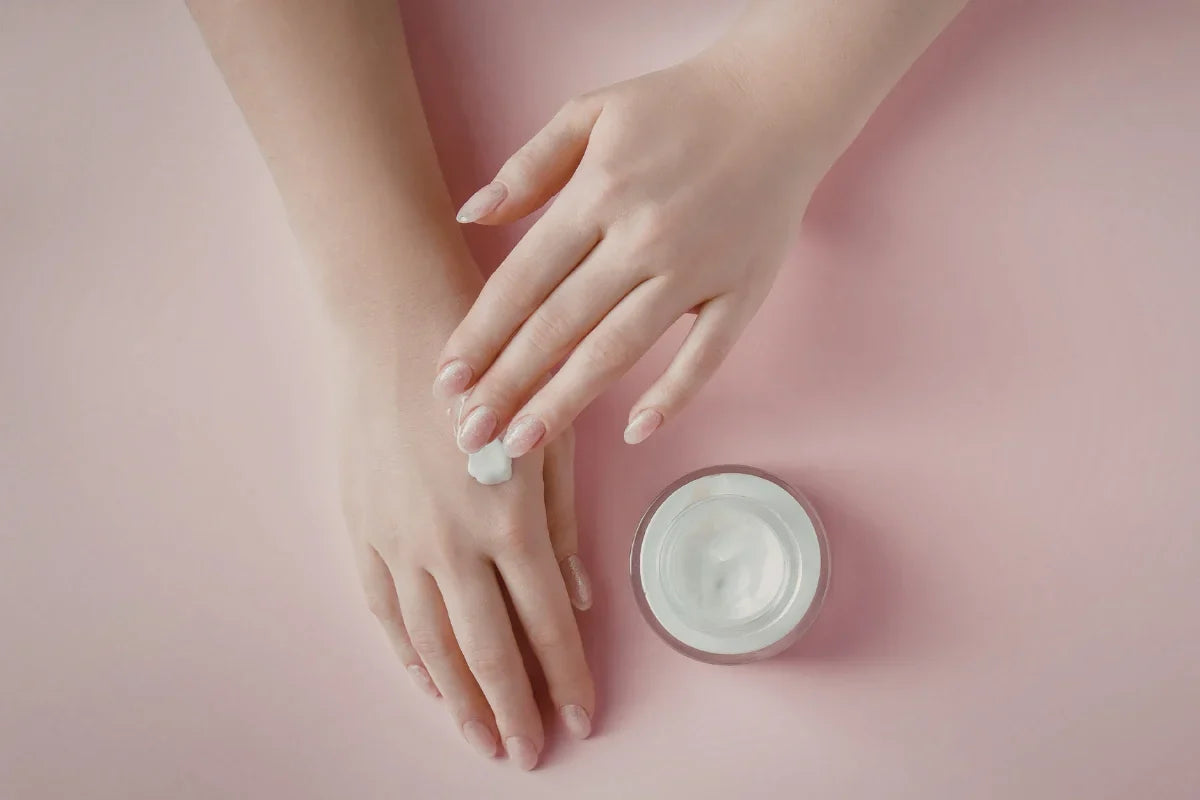
A luxury body lotion combines refined textures, carefully chosen ingredients and a crafted fragrance. Here is how to recognize a premium formula, the main types and how to use one.

The best moisturizing conditioners of 2026 combine lighter textures, plant-based ingredients and cleaner formulas. This guide explains how to pick the right type for dry, fine, curly or color-treat...