
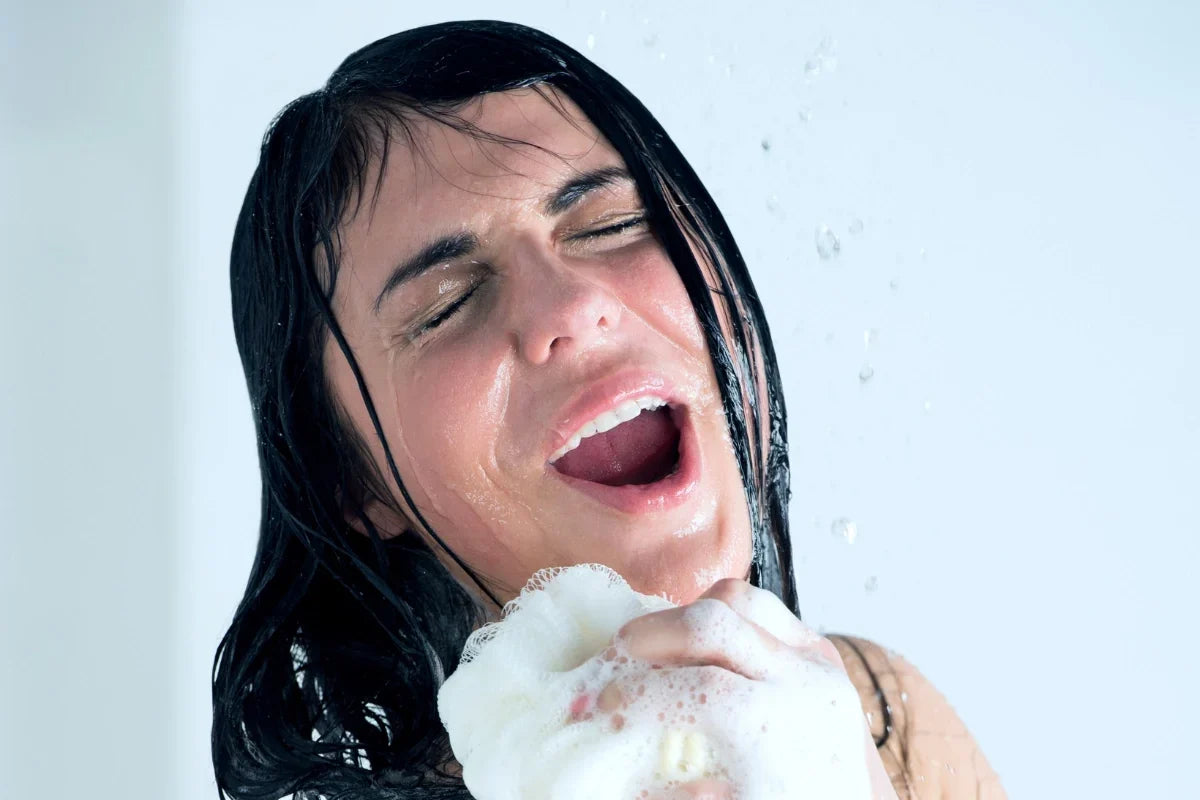
Aromatherapy Body Wash: Relaxing Essential Oils
Aromatherapy is finding its way into the bathroom. In the shower, warm water and steam carry the scent of essential oils, turning an everyday habit into a small relaxing ritual. An aromatherapy body wash is a simple way to make your shower feel like a moment of calm.
Below, we look at why scent works so well in the shower, which essential oils are traditionally associated with relaxation, how to use them safely in a body wash, and a simple scent pairing to try.
Why use aromatherapy in the shower?
A relaxing moment
Warm water and steam help scents spread through the bathroom, so the fragrance feels more present than when you apply a product on dry skin.
Breathing in the scent
The shower is a good time to slow down and breathe deeply. Many people use this moment to:
-
take a few slow breaths,
-
focus on the scent,
-
leave the day behind.
Mood and routine
Many people link a familiar fragrance to a particular moment of the day, which is why a scent can become part of a wind-down routine. A shower ritual can help you:
-
mark the end of the day,
-
enjoy a pleasant sensory moment,
-
build a calm evening routine.
Essential oils traditionally used for relaxation
1. True lavender (Lavandula angustifolia)
The classic relaxing scent:
-
soft, herbal and floral,
-
widely used in evening routines,
-
easy to pair with citrus notes.
2. Sweet orange (Citrus sinensis)
A sweet, comforting scent:
-
bright and fruity,
-
popular with people who find florals too strong,
-
a nice choice at the end of the day.
3. Ylang-ylang (Cananga odorata)
Sunny and floral:
-
rich and exotic,
-
best used in small amounts because it is intense,
-
a reminder of tropical flowers.
4. Petitgrain bigarade (Citrus aurantium)
Fresh and green:
-
made from the leaves and twigs of the bitter orange tree,
-
softer and woodier than orange peel,
-
a good bridge between citrus and floral notes.
Our Ouany products
Available at our points of sale in St Barts and at our partner hotels, spas and villas.


How to add essential oils to a body wash
1. Start with a neutral base
Choose a body wash that is:
-
fragrance-free,
-
free of listed allergens,
-
free of essential oils.
2. Follow dilution guidance
Essential oils are concentrated. Follow the dilution guidance given by the essential oil supplier or a qualified aromatherapist, and remember that more is not better.
3. Mix well
The essential oils need to be fully dispersed in the cleansing base.
4. Precautions
-
For children, ask a pediatrician before using essential oils.
-
If you are pregnant or breastfeeding, ask a doctor or midwife first.
-
Never apply undiluted essential oils to the skin.
-
Patch test before regular use.
A homemade aromatherapy body wash pairing
What you need:
-
a neutral, fragrance-free body wash
-
true lavender essential oil
-
sweet orange essential oil
-
petitgrain bigarade essential oil
Method:
-
Pour the cleansing base into a clean bottle.
-
Add the essential oils, following the supplier's dilution guidance, with lavender as the main note.
-
Mix gently.
-
Let it rest before use so the scent settles.
The result:
An evening body wash with a soft, floral and citrusy scent.
Tips for use
-
Shower with lukewarm water to let the scent spread.
-
Breathe deeply while you lather.
-
Avoid contact with the eyes.
-
Do not use on irritated or broken skin.
Key takeaways
An aromatherapy body wash is an easy way to bring scent into your daily routine. Choose oils you enjoy, follow dilution guidance, patch test, and the shower becomes a calm sensory ritual. For more ideas, browse our body wash articles.
Read next
Read more

Aloe vera shows up in skincare and in some food products, so is it edible? Here is why an aloe gel made for the skin should never be swallowed, what the plant is made of, and how to choose an aloe ...
Donkey milk has been part of beauty rituals since antiquity and is now a popular body wash ingredient. Learn how to read the label, which certifications to look for, and how to use a donkey milk bo...