

Aloe Vera for Dehydrated Skin: How to Use It
Aloe vera has become a fixture in skincare routines, and it's often the first ingredient people think of when their skin feels tight and dehydrated. Used on the skin for centuries, this plant now appears in many modern formulas. But what is aloe vera made of? What's the difference between dehydrated and dry skin? And how can you fit it into a routine in a way that makes sense for your skin?
Here's what to know about aloe vera and skin hydration: what it contains, how people use it and the mistakes to avoid.
What's in aloe vera gel?

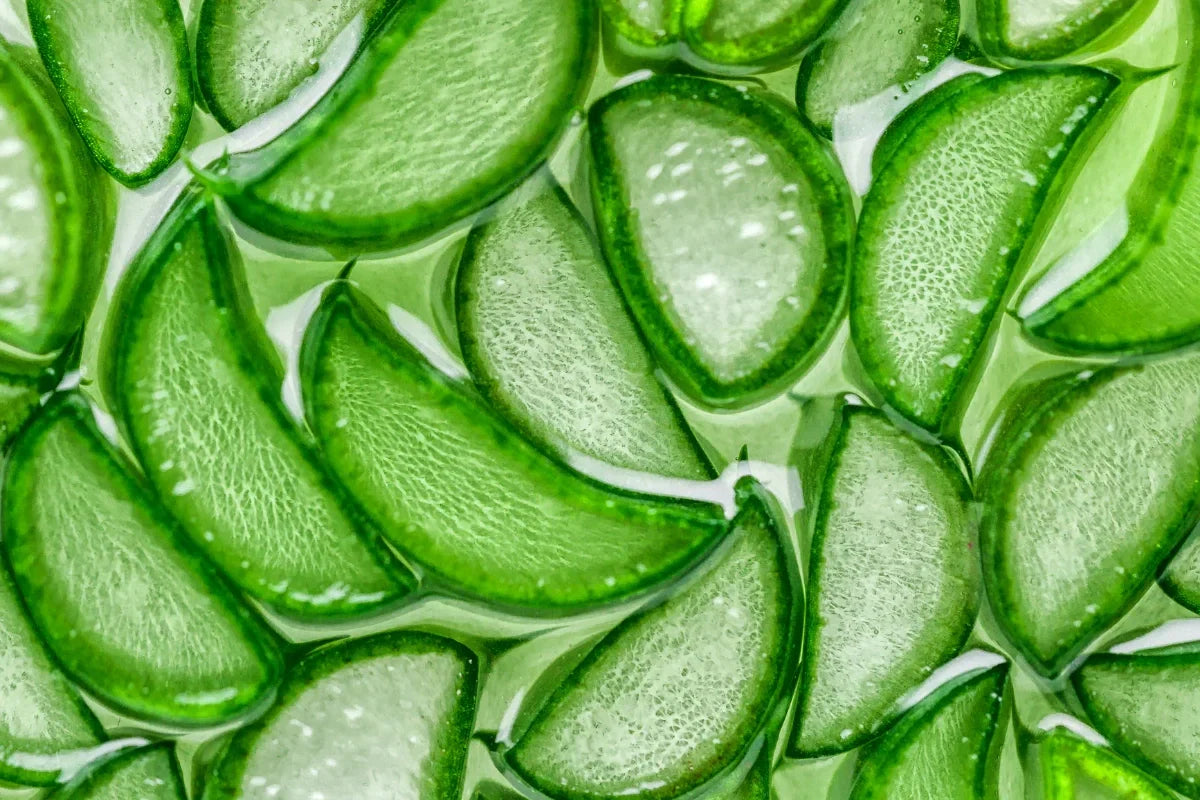
Aloe vera gel, taken from the inner leaf, is mostly water. It also contains polysaccharides, amino acids, minerals and antioxidants, which is why it shows up so often in formulas designed around hydration.
Polysaccharides
Polysaccharides are complex sugars. They are part of what gives aloe vera gel its slightly slippery, gel-like texture.
Amino acids
Amino acids are the building blocks of proteins and are naturally present in the gel.
Minerals
The gel also contains minerals such as zinc, calcium and magnesium.
Hydration vs nourishment: what's the difference?

Many people confuse hydration and nourishment. Aloe vera gel is a water-based ingredient, not an oily one.
Hydration
Refers to the water content of the skin. Dehydrated skin can look dull and feel tight, whatever your skin type.
Nourishment
Refers to lipids. Dry skin lacks oil and often feels rough.
That's why aloe vera gel is often used on skin that feels dehydrated, and combined with oils or a richer cream when skin is dry.
How people use aloe vera on their skin

A fresh feel on application
The gel is watery and cool, and it spreads easily.
A fast-absorbing layer
It absorbs quickly without leaving a greasy film, so it layers easily under other products.
A first step before a cream
Many people apply aloe vera gel first, then seal it in with a cream suited to their skin.
A cool moment after the sun
Its fresh texture makes it a popular choice after a day outdoors. It doesn't replace sun protection.
Which skin types like aloe vera?

Dehydrated skin
People whose skin feels tight often reach for water-based textures like aloe vera gel.
Sensitive skin
Aloe vera is generally well tolerated, but a patch test is still recommended. If your skin reacts often, ask a dermatologist.
Oily skin
Its non-greasy texture is popular with people who dislike heavy creams. For acne-prone skin, a dermatologist can advise you.
Combination skin
A light gel can be used across the whole face without feeling heavy on oilier areas.
Mature skin
Aloe vera gel works well as a light layer under a richer cream.
Our Ouany products
Available at our points of sale in St Barts and at our partner hotels, spas and villas.



Why people like aloe vera in a hydration routine

A light texture
It's easy to wear, even in a warm, humid climate like the Caribbean.
Easy layering
It sits comfortably under serums, creams or sunscreen.
A fresh sensation
The cool feel on application is one of the main reasons people choose it.
A simple, plant-based ingredient
Aloe vera is easy to recognize on an ingredient list and widely used in natural skincare.
How to use aloe vera in your routine

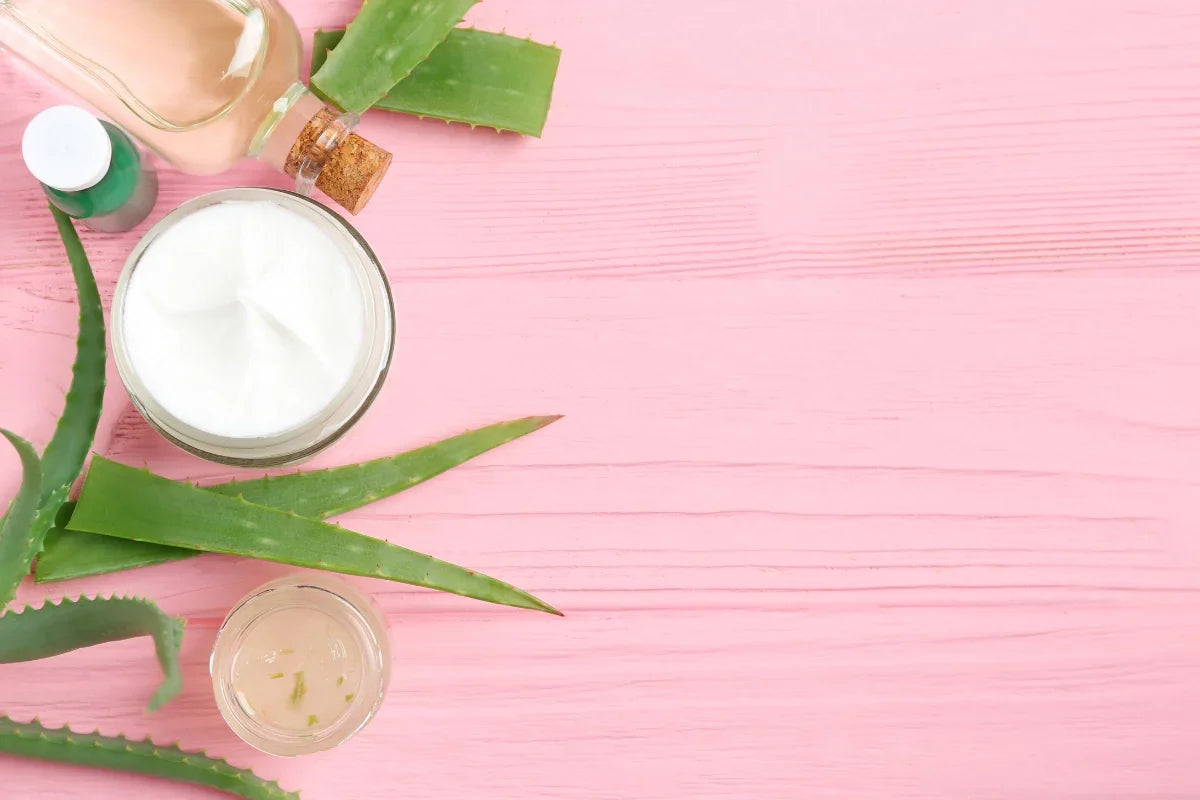
Pure aloe vera gel
Apply directly to the skin, morning and/or evening.
Aloe vera serum
A fluid texture to apply before your cream.
Moisturizer with aloe vera
Combines a water-based ingredient with lipids in a single step.
Face mask
A thicker layer of gel left on for a few minutes, as a fresh moment in your routine.
After the sun
Many people apply aloe vera products after sun exposure for their cool feel. A sunburn that blisters or doesn't settle calls for medical advice.
Ingredients often paired with aloe vera
Aloe vera + hyaluronic acid
A common pairing in serums and light gels.
Aloe vera + glycerin
Glycerin is one of the most widely used ingredients in hydrating formulas.
Aloe vera + niacinamide
A frequent combination in modern face care.
Aloe vera + panthenol
Panthenol (provitamin B5) often appears alongside aloe vera in after-sun and comfort formulas.
Aloe vera + light oils
A way to combine a water-based gel with lipids for drier skin.
Mistakes to avoid
Choosing a heavily fragranced gel
Fragrance can bother sensitive skin.
Forgetting what comes next
Many people apply aloe vera gel on slightly damp skin and follow with a cream.
Using it in place of a cream on dry skin
Aloe vera gel is water-based. Dry skin also needs lipids.
Ignoring the ingredient list
Look for a simple formula, with aloe vera high on the list and a short list of other ingredients.
FAQ
Is aloe vera a hydrating ingredient? Aloe vera gel is water-based and widely used in hydration-focused formulas. For skin concerns, ask a dermatologist.
Is it suitable for oily skin? Its light, non-greasy texture is popular with people who have oily skin.
Can you use it every day? Yes, morning and evening, if your skin is comfortable with it.
Does it replace a moisturizer? Not on its own: it's water-based and doesn't provide lipids.
Can you use it after the sun? Many people do, for its cool feel. A severe or blistering sunburn needs medical advice.
The bottom line
Aloe vera is a water-based plant ingredient with a light, fresh texture that fits easily into almost any routine. Pure, in a serum, in a cream or as a mask, it works best as one step among others, paired with a cream suited to your skin. Light, fresh and plant-based, it's an ingredient that fits naturally with the Ouany world, inspired by the Caribbean.
Read next
Read more
Aloe vera face serums are popular for their light, fresh texture. Here's what goes into them, why people choose them and how to pick a formula that suits your skin.
Gel, serum or cream: each aloe vera format has its own texture and use. This comparison helps you pick the one that fits your skin and your routine.