

Jojoba Oil for Beards: How to Use It
Jojoba oil for beards has become a staple topic in men's grooming. This plant oil, already familiar in skincare, is now one of the most common bases in beard oils. Its composition, often compared to human sebum, and its light, non-greasy texture make it a popular choice for short, long, thick or patchy beards. Here is how it is used, how to apply it, and what to keep realistic expectations about.
1. Why jojoba oil is popular for beards

A structure close to sebum
Jojoba oil has an unusual trait: its molecular structure resembles the sebum the skin produces naturally. That's why many people find it spreads easily and doesn't leave a heavy, greasy film on the beard.
Its main components
It contains wax esters, omega-9 fatty acids, natural vitamins and antioxidants. These components are the reason it shows up in so many beard care formulas.
Easy on the skin underneath
The skin under the beard is often overlooked. Jojoba oil glides easily along the hair down to the skin, and it is generally well tolerated, though a patch test is still a good idea for sensitive skin.
2. Softer-feeling beard hair

A light coating on each hair
Like other oils, jojoba coats the hair with a light film. Many men use it to counter that rough, dry feel common in thick or curly beards.
The skin under the beard
The skin beneath a beard can feel dry or tight. A few drops worked down to the skin are a common comfort habit. If the skin is red, flaky or itchy on a lasting basis, see a dermatologist.
Rough, hard-to-style hair
A dry beard can feel coarse and look dull. Oiling it makes the hair feel softer and easier to comb and shape.
3. Itching and irritation

Growth-phase itch
Many men feel some itching in the first weeks of growing a beard. A beard oil can make the hair feel softer during this phase. If itching is intense or persists, get professional advice.
Tightness during growth
As the beard grows in, the skin can feel sensitive. Some men find that a light oil makes the area more comfortable.
After trimming the edges
Avoid applying oil to cuts or broken skin. On irritated skin after shaving, wait until it has calmed down, and ask a pharmacist or doctor if irritation persists.
4. Beard flakes

Where flakes come from
Flakes in the beard can simply be dry skin, but they can also be a sign of a skin condition such as seborrheic dermatitis. A dermatologist can tell the difference and recommend what to do.
Don't self-treat
If flakes come with redness or itching, oils aren't the answer: see a professional.
Basic hygiene
Washing the beard regularly with a gentle cleanser and combing it helps keep it neat.
Nos soins Ouany
Disponibles dans nos points de vente à Saint-Barthélemy et chez nos hôtels, spas et villas partenaires.



5. Softness, shine and suppleness

Softer to the touch
A few drops make the beard feel softer, which is more pleasant for you and for others.
Subtle shine
Used sparingly, jojoba oil gives a discreet sheen without a greasy look.
Easier styling
Oiled hair detangles more easily, whether the beard is short, long or carefully shaped.
6. Jojoba oil and beard growth

No effect on growth
Jojoba oil does not make a beard grow. Beard density depends mostly on genetics and hormones.
Patchy beards
If you are concerned about patchy growth or hair loss in the beard area, a dermatologist is the right person to consult.
Less visible breakage
Combing a beard that feels soft and supple is easier and less likely to snag, which helps it look tidier.
7. How to apply it

How much, depending on length
A few drops are enough for a short beard. A long beard needs a little more, but always in moderation to avoid a greasy look.
Regular use
Many men apply it once a day, usually after a shower when the beard is clean and slightly damp.
Use a comb for even coverage
A wooden or horn comb helps spread the oil evenly from root to tip.
8. Common mistakes to avoid
Using too much
Too much oil weighs the beard down. A small amount is plenty.
Applying it to a dirty beard
Apply oil to a clean beard for a lighter, more even finish.
Picking a refined oil
Refined oils lose some of their natural components. Many people prefer a virgin, cold-pressed oil. Ouany offers a jojoba oil in a 100 ml bottle, available in our stores in St Barts and at partner hotels, spas and villas.
9. What barbers and users say
A barbershop classic
Jojoba oil is one of the most common bases in beard oils, mainly for its light texture and how easily it spreads.
What users often mention
People who use it regularly tend to describe a softer-feeling beard that is easier to comb, with a subtle shine.
Limits
Men with very oily skin may need to use less to avoid a slight film on the surface.
10. FAQ
Does jojoba oil make a beard grow? No. It doesn't create hair; beard growth depends mainly on genetics and hormones.
Can I use it on a very short beard? Yes, a drop or two makes short stubble feel softer.
Is it suitable for sensitive skin? It is generally well tolerated, but do a patch test first. For any skin condition, see a dermatologist.
How often should I apply it? Once a day is enough for most beards.
À découvrir chez Ouany : notre huile de jojoba bio.
À lire aussi
En lire plus

Jojoba oil has been studied for decades for its waxy, sebum-like composition. Here is what is well established, what is often claimed online, and when a dermatologist's advice matters most.
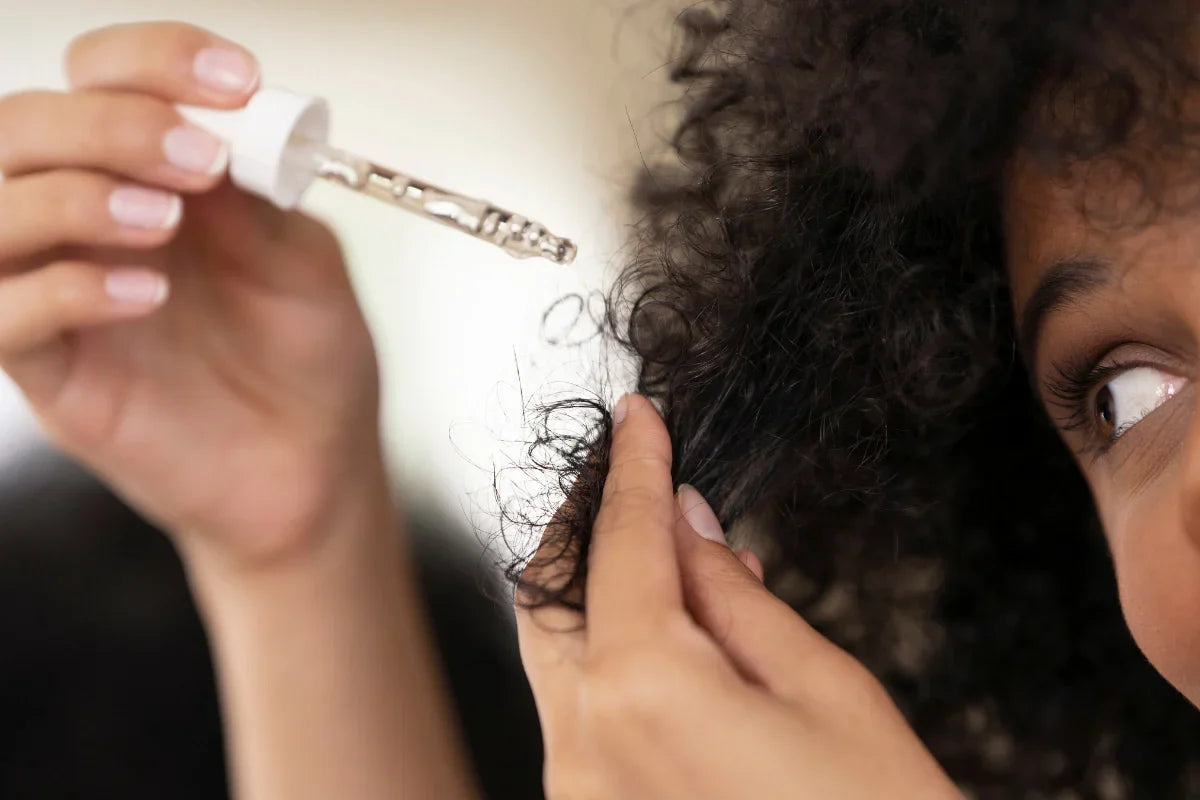
Curly and coily hair tends to run dry, and jojoba is one of the lightest plant oils for sealing in moisture. Here is what textured hair really needs, how to use jojoba in a curl routine, and which ...